Bed Bug Exterminator for Apartments with Proven Results
Specialist Advice: When to Choose Heat Treatment for Bed Bug Issues
Heat treatment for bed bug infestations has emerged as a viable solution for residents confronted with this stubborn challenge. This method successfully eliminates all developmental stages of bed bugs by increasing temperatures to exceed 118°F. While this method boasts significant advantages, such as chemical-free extermination, it is not without its challenges. Recognizing the right time to select heat treatment proves important. Which considerations should homeowners weigh before choosing this option?
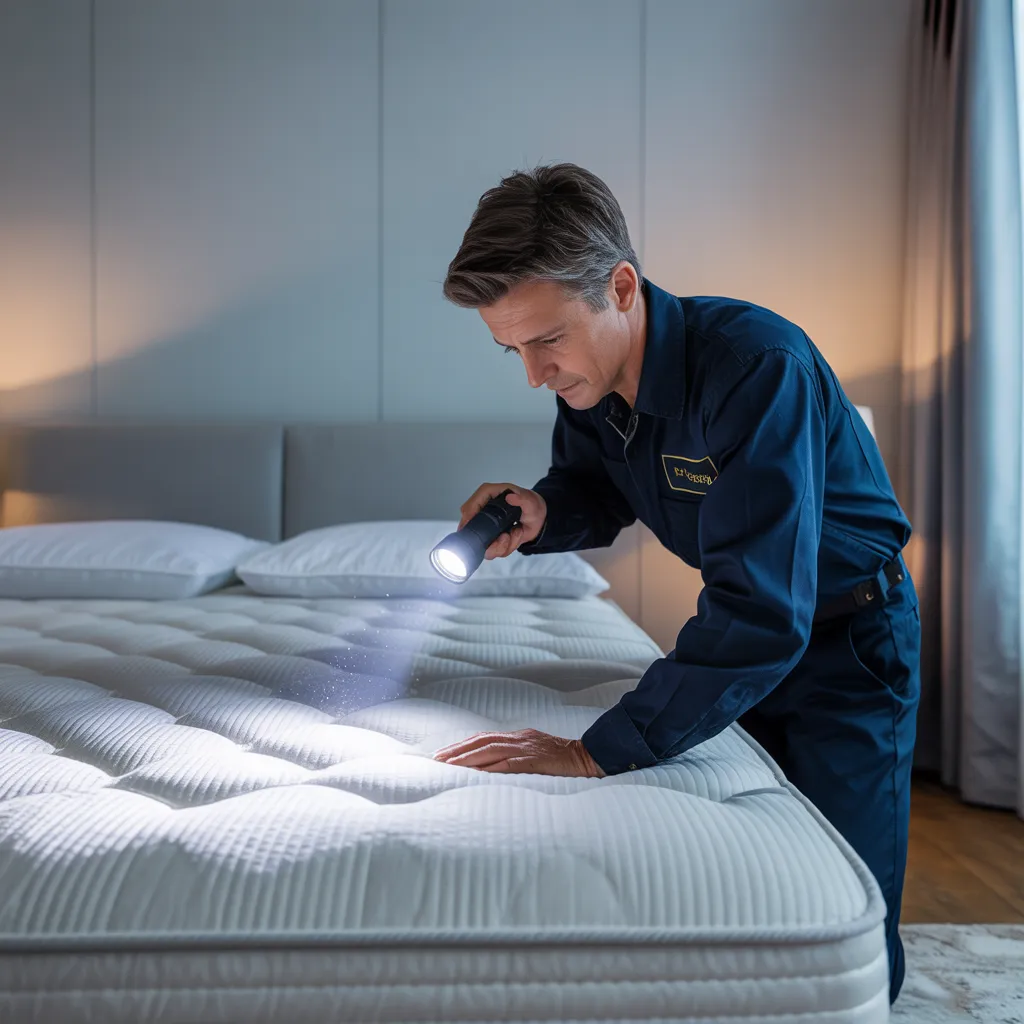
What Does Heat Treatment for Bed Bugs Mean
Thermal treatment for bed bugs is a growing popular method for eliminating these pests. This approach involves raising the temperature of infested areas to a level lethal to bed bugs, generally around 118°F (48°C) or above. The process generally requires specialized equipment that can effectively distribute and maintain the desired temperature throughout the treatment area.
During heat treatment, every life stage of bed bugs, encompassing eggs, nymphs, and adults, are addressed. Through heating the environment over a prolonged period, typically several hours, the heat penetrates furniture, walls, and other concealed areas where bed bugs are found.
This technique is commonly preferred for its effectiveness in removing pest infestations without relying on harsh chemical treatments, making it a viable option for those concerned about exposure to harmful chemicals. Furthermore, this treatment method can be finished relatively quickly, offering a timely resolution for those facing bed bug issues.
Advantages of Using Heat Treatment
Leveraging heat treatment for bed bug problems offers several significant advantages. A primary benefit is its ability to eradicate bed bugs at every stage of their lifecycle, including eggs, nymphs, and adults, ensuring thorough eradication. This technique typically achieves temperatures between 120°F and 140°F, efficiently reaching furniture, walls, and other concealed areas where bed bugs dwell.
An additional benefit is the pace of the procedure; heat treatments often require only a one-time session, unlike chemical treatments that may demand multiple applications. Furthermore, heat treatment minimizes the need for chemical pesticide residues, making it a healthier option for homes with children and pets. The process is environmentally conscious, as it does not bring harmful chemicals into the home. In addition, heat treatment leaves no lingering odors, contributing to a more pleasant living environment after the treatment. In summary, these advantages make heat treatment an growing choice for handling bed bug problems.
Key Things to Understand About Heat Treatment Drawbacks
Even though heat treatment presents a strong option for addressing bed bug infestations, it is essential to consider its limitations. The significant expenses associated with this method can create a major challenge for numerous property owners. Additionally, there is a possibility of damage to belongings if not executed correctly, creating additional worries for those contemplating this approach.
Significant Cost Considerations
The cost is frequently a significant factor when evaluating heat treatment for bed bug infestations. This treatment option typically involves substantial upfront expenses, including professional services and specialized equipment. Homeowners may find themselves facing costs that exceed those associated with traditional chemical treatments. Moreover, the need for thorough preparation—such as relocating pets and covering or removing sensitive items—can contribute to the total cost. While heat treatment can be highly effective, the monetary factors may discourage certain homeowners from choosing this method. Furthermore, the cost can fluctuate significantly based on factors like the extent of the infestation and the property's dimensions. As a result, potential clients should carefully evaluate the advantages relative to these costs before making a decision.
Potential Property Damage Risks
Heat treatment provides a powerful option for bedbug infestations, but it carries possible risks of property damage that homeowners need to be aware of. The high temperatures required, usually falling between 120°F and 140°F, can harmfully affect a range of materials and possessions. Items like electronics, artwork, and delicate fabrics may warp, melt, or otherwise suffer damage. Moreover, wood furniture and floors could crack or split when exposed to extreme heat. Homeowners should also be aware that appliances may not be designed to withstand such temperatures, causing potential malfunction or failure. Therefore, property owners are encouraged to carefully evaluate their belongings and seek professional guidance to minimize these risks prior to undertaking heat treatment for bed bugs.
How to Recognize Bed Bug Infestations That Need Heat Treatment
How can you tell if a bed bug infestation calls for heat treatment? Assessing the severity of the infestation is key. Evidence includes visible bed bugs, molted skins, and dark marks left by fecal matter. A comprehensive copyrightination of bedding, furniture, and nearby areas will uncover these signs. When the infestation has spread across several rooms or inaccessible spaces, heat treatment may be the appropriate solution.
Moreover, a record of ineffective chemical treatment methods may indicate the need for an intensified solution such as heat treatment. The presence of bed bugs in various life stages—nymphs, eggs, and adults—further complicates eradication efforts, making heat treatment a viable solution.
When all is said and done, if the infestation is persistent and extensive, selecting heat treatment as a solution can offer a more reliable solution, ensuring that all life stages of the pests are eliminated.
How Heat Treatment Measures Up Against Other Methods
Thermal treatment presents a distinct approach to handling bed bug issues in comparison to standard techniques. Its performance in eliminating bed bugs is remarkable, but aspects concerning safety and time efficiency also play key roles in determining its suitability. Understanding these factors assists in determining the complete viability of thermal treatment within pest control strategies.
Efficacy Against Bed Bugs
Tackling bed bug infestations requires a thorough approach, and heat treatment stands out as a highly effective method. This method entails raising the temperature of impacted regions to temperatures fatal to bed bugs, including their eggs, within a relatively short period. Unlike pesticide-based approaches, which may result in residues and call for multiple applications, heat treatment penetrates all surfaces, ensuring complete eradication. Studies have shown that heat treatment can attain approximately 100% effectiveness when properly executed. Additionally, it nullifies the risk of bed bugs adapting resistance, a prevalent concern with pesticides. While other methods may be efficient in specific scenarios, heat treatment's ability to achieve fast and comprehensive results establishes it as a top option for many pest control specialists.
Efficiency and Time Considerations
When copyrightining the time efficiency of numerous pest control methods, heat treatment consistently proves to be a superior option. Unlike traditional methods, such as chemical sprays or fumigation, which may demand multiple applications over several weeks, heat treatment usually resolves bed bug infestations in a single session. The process involves raising the temperature of the impacted space to a level fatal to bed bugs, achieving effective results within a matter of hours. This swift elimination minimizes the overall disruption to day-to-day life, allowing residents to resume normal activities faster. Furthermore, heat treatment eliminates the need for extensive preparations, such as relocating furniture or cleaning significant amounts of bedding, further enhancing its efficiency compared to other pest control methods.
Safety and Wellness Impact
The safety and wellness aspects of pest control methods are essential factors for households dealing with bed bug infestations. Heat-based treatment delivers a significant advantage when compared to chemical treatments, as it eradicates bed bugs across complete guide all developmental stages without employing toxic chemicals. This reduces the risk of chemical exposure for occupants and their pets, making it a healthier option for family units, especially those with small children or individuals with respiratory issues.
On the other hand, chemical treatments can lead to health issues, including allergic reactions and long-term exposure risks. Moreover, heat treatment produces no toxic residues, allowing for a quicker return to the treated space. Therefore, for individuals who place safety and health first, heat treatment emerges as a more favorable option in managing bed bug problems.
What to Expect from a Heat Treatment Session
What can one expect during a thermal treatment session for bed bug issues? To begin with, a comprehensive copyrightination of the property occurs to identify infested areas. The area will be freed from any sensitive items, such as electronics and plants, to ensure protection. Once preparations are complete, professional equipment, including heating units and temperature monitoring tools, is deployed to bring the temperature to bed bug-eliminating levels.
During the session, temperatures generally rise above 120°F (49°C), kept at this level for hours, thoroughly addressing every life stage of the pests. Homeowners can expect to be away from the treated area for several hours, in some cases up to 24 hours, relative to the scale of the pest problem. The entire process is supervised continuously to ensure optimal conditions are maintained. Following the treatment, the space will be evaluated to ensure the procedure was carried out successfully, paving the way toward a pest-free living space.
After-Treatment Care and Prevention Strategies
Even though this heat treatment effectively eliminates bed bugs, appropriate aftercare and preventive measures are crucial to ensure a long-term solution. After treatment, homeowners should thoroughly vacuum their living areas regularly to eliminate any residual eggs or insects. It is recommended to clean all bedding, clothes, and drapes in high-temperature water and dry them at a high temperature to eradicate any leftover insects.
Closing cracks and gaps in walls and furniture can prevent re-infestation, while applying bed bug encasements on mattresses and bed frames offers an additional protective barrier.
Additionally, homeowners should monitor their home for bed bug indicators, such as bites or shed skins. Decluttering can also eliminate sheltered areas for any possible reemergence of these insects. Staying vigilant and implementing these precautionary steps will help secure the effectiveness of the heat eradication process, maintaining a pest-free environment over the long term.
Popular Questions and Answers
Is Heat Treatment Safe for Pets and Children?
Heat treatment is largely safe for children and pets if proper precautions are taken. Nevertheless, it is crucial to ensure they are kept away from the property during the treatment procedure to minimize the risk of harm.
How Long Does the Heat Treatment Process Typically Take?
The heat remediation process generally requires six to eight hours in total. This duration includes preparation, heating the affected areas, and ensuring the temperature remains consistent to thoroughly remove bed bugs throughout the space.
Is It Possible to Remain in My Home During Heat Treatment?
When undergoing heat treatment for bed bugs, it is typically suggested that residents vacate their homes. This provides both safety and optimal results, as high temperatures can be both uncomfortable and potentially dangerous to pets and individuals remaining inside.
What Furniture Can Be Treated With Heat?
The majority of furniture, including sofas, chairs, and beds, can be treated with heat. However, pieces containing electronics, delicate materials, or particular surface finishes might not be appropriate. It's crucial to seek professional advice for tailored recommendations regarding each furniture item.
Can Heat Treatment Eliminate Bed Bug Eggs?
Thermal treatment effectively destroys bed bug eggs by raising temperatures to levels lethal to all life stages. When correctly applied, this method ensures that eggs, commonly unaffected by other methods, are destroyed together with adult bed bugs.